

A study by VTT for the Finnish Transport and Communications Agency found modest safety effects for eCall in Finland, with about one life saved to date and an estimated 10 by 2035. The result is affected by system penetration and the tendency for accidents to be reported quickly even without automatic notifications.
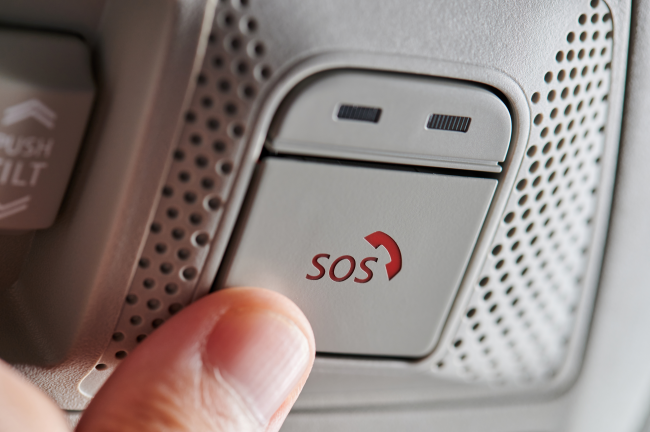
The in-vehicle eCall device automatically establishes contact with a public safety answering point (PSAP) in the event of a road traffic accident, either directly (pan-European eCall) or via a third-party service provider (TPS-eCall). A study conducted by VTT for the Finnish Transport and Communications Agency (Traficom) evaluated the realised impacts of the eCall system in Finland during 2019–2023 and its safety potential up to 2035. Due to data limitations, results concern pan-European eCall only, although indicative estimates are also provided for the potential effect of including TPS‑eCall.
Realised safety impacts were estimated as the number of lives saved by pan-European eCall in Finland during 2019–2023. The evaluation was based on data concerning emergency calls and road traffic accidents. The system was considered to have potentially saved lives in serious injury and fatal accidents where eCall was activated automatically and the system was estimated to save at least five minutes in emergency response. Furthermore, the anticipated safety effects of pan-European eCall up to 2035 were evaluated by estimating the penetration rate of the system and examining how this relates to the number of automatically reported serious injury and fatal accidents.
Realised impact
According to the results, the overall road safety effect of pan-European eCall in Finland during 2019–2023 was modest, with the system estimated to have saved one life in the country (for reference, the average annual number of road traffic deaths for these years was 208). The outcome reflects both the relatively low penetration rate of the system and the tendency for road traffic accidents to be reported soon after they occur even without automatic notifications.
Future potential
The share of pan-European eCall systems in the Finnish passenger car and van fleet was estimated to grow from 13% in 2025 to 27% by 2035. During 2019–2035 in Finland, eCall was estimated to save approximately 10 lives, and approximately 13 people who would otherwise be seriously injured would instead sustain only slight injuries.
The results are based only on the pan-European eCall system. Finnish emergency call data suggests that the number of accidents reported with TPS-eCall is approximately 80% of the number reported with pan-European eCall; therefore, effects could be up to 1.8 times greater if TPS-eCall were included. However, the true effect is likely much lower, as the efficacy of TPS-eCall cannot be generalised to the same level as pan-European eCall, due to notifications being transferred via third-party call centres.
False alarms matter
Finnish emergency call data indicate that eCall is associated with a high share of false alarms. Overall, 81% of eCall notifications were classified as false alarms, including 55% of automatic notifications and 94% of manual ones. This may place an unnecessary burden on PSAPs and reduce their capacity to respond promptly to genuine emergencies.
In contrast, only 2% of TPS-eCall notifications reaching emergency response centres were identified as false alarms, suggesting that third-party service centres effectively filter non-essential calls. However, routing notifications through an intermediary call centre may introduce delays in transmission to emergency services, which could reduce the time savings achieved by the system.
Overall, both the realised and potential future safety impacts of eCall in Finland were estimated to be modest. Increasing system penetration will be important for increasing its impact. However, as the eCall system expands, it is essential to ensure that false alarms do not overload emergency response centres and weaken their ability to respond to emergencies, including situations unrelated to traffic accidents.
Click here to read the full report

Contact
Johannes Mesimäki
VTT Technical Research Centre of Finland
johannes.mesimaki@vtt.fi




Follow us: